

Local Clean Energy Projects
Energy Projects Along Our Coast
Central Coast Energy Projects
The climate crisis is an ocean crisis, but you have the power to help turn the tide. At Surfrider SLO, we believe that real change happens when local passion meets organized action. Here is how you can help protect the Central Coast today.
Floating Offshore Wind
There are two offshore wind areas proposed in California, one near Humboldt and another right here to the west of Cambria, the Morro Bay Wind Energy Area.
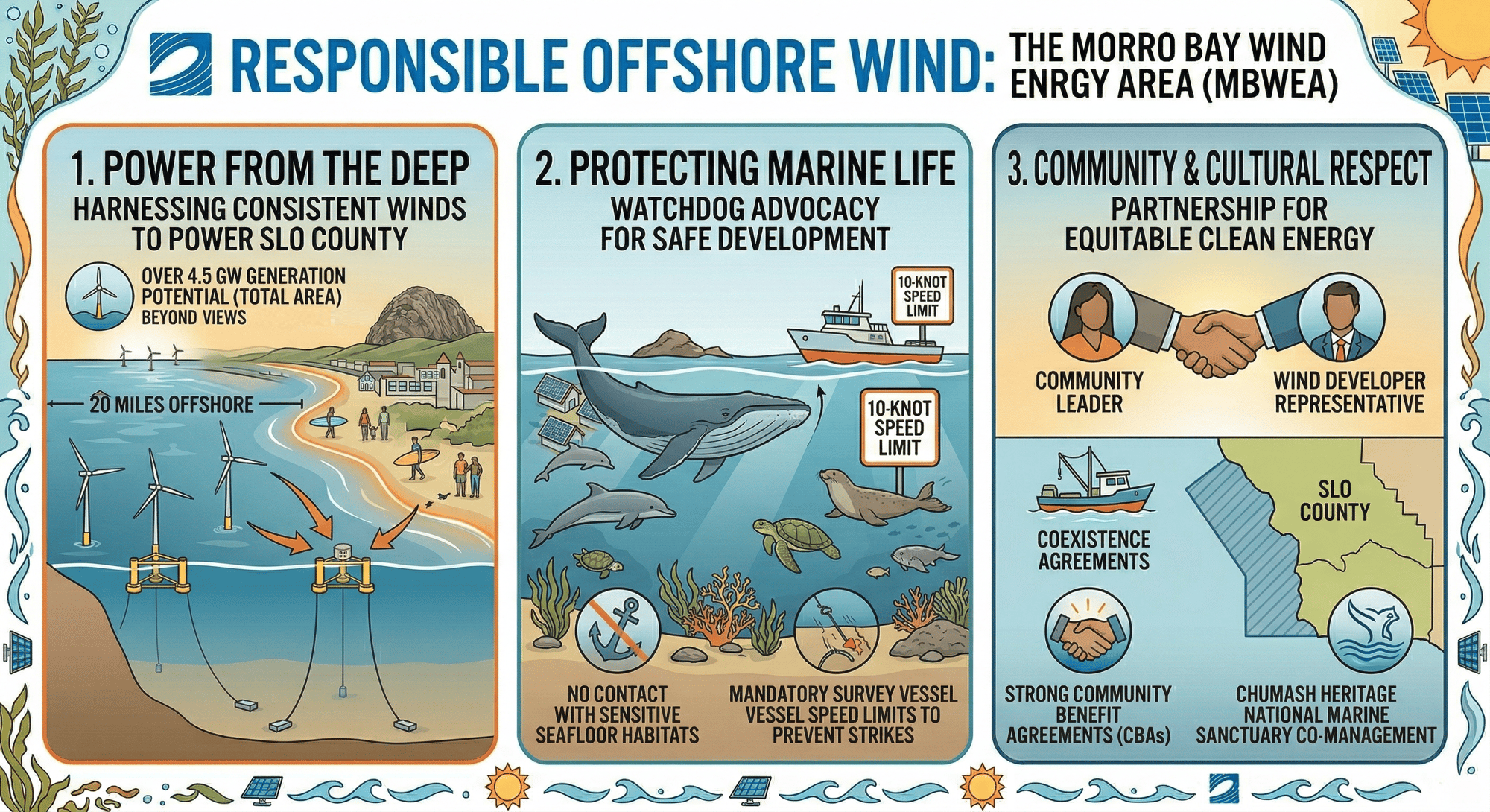
Description: Utility-scale wind turbines mounted on floating platforms anchored 20 miles offshore in the Morro Bay Wind Energy Area.
Benefits: Potential to generate over 4.5 gigawatts of renewable energy, helping California meet its goal of 100% carbon-free electricity by 2045.
Environmental & Ecological Concerns:
Benefits: Potential to generate over 4.5 gigawatts of renewable energy, helping California meet its goal of 100% carbon-free electricity by 2045.
Environmental & Ecological Concerns:
- Benthic & Habitat: Potential impacts on seafloor features (corals/rock outcroppings) from anchors and cables.
- Marine Mammals: Risk of vessel strikes and noise disruption during site characterization.
- Recreational: Alteration of wave energy and industrialization of scenic coastal vistas.
- Estimated Avoided Global Heat Related Human Mortalities by Year 2100: 18,000
- Estimated Avoided Cases of People's Homes Shifted Outside of the Human Habitable Zone in 2070: 426,000
- Mandatory Conditions: 10-knot speed limits for survey vessels and strict prohibition of contact with sensitive seafloor habitats.
- Community Oversight: Coordination with the proposed Chumash Heritage National Marine Sanctuary and Community Benefit Agreements (CBAs) for local fishing communities.
- Commercial power from the Morro Bay lease areas is not expected until around 2036, which means decisions made in the next decade will shape how these projects affect whales, fisheries, tribal nations, ports, workers, and our coastline.
What This Means Locally: Over the next several years, communities around Morro Bay, Port San Luis, and Diablo Canyon will be weighing in on port expansion concepts, transmission corridors, and detailed project designs. Our Surfrider chapter is tracking each step to push for the strongest possible protections for marine life, waves, and public access.
Surfrider SLO's Position: Surfrider SLO supports responsible implementation of the Morro Bay Wind Energy Area - not a blank check for development, and not a delay tactic against climate action. We recognize that rapidly phasing out fossil fuels is essential to protect the ocean from warming, sea level rise, and acidification, and that thoughtfully planned offshore wind can be part of that solution. At the same time, floating wind off Morro Bay sits in a biologically and culturally rich seascape used by whales, seabirds, fisheries, tribal nations, and coastal communities, so projects must not simply shift harm from the climate to the ocean. Our position is to support projects only if they are designed, sited, and operated in ways that: (1) Avoid or minimize impacts to whales, seabirds, fisheries, and sensitive habitats, with strong monitoring and adaptive management. (2) Respect tribal sovereignty, cultural resources, and traditional uses, with early and ongoing consultation. (3) Limit port and transmission build‑out to already‑impacted or industrial areas where possible, avoiding new industrialization of intact coastline. (4) Include clear decommissioning plans, local workforce benefits, and transparent community engagement at every major decision point. In short: we support offshore wind in the Morro Bay WEA only to the extent that it accelerates the transition off fossil fuels while upholding Surfrider’s core mission to protect ocean, waves, and beaches for all people.
How does welcoming industry in to the ocean to protect the ocean make sense?!: Clean energy is conservation: every electron produced by offshore wind that replaces one from fossil fuels is a step away from sea level rise, marine heatwaves, and ecosystem collapse, and a step toward protecting waves, wildlife, and coastal communities. The question isn’t “industry or no industry”- you are using electrons right now to read this. The real questions are: “How do we reduce our dependency on destructive industries?” and “How do we reduce the destructiveness of the industries we still use?” The ecological and environmental weight of the electrons we all use is shaped by this choice: we either invest in tightly regulated, just, and more reversible clean energy projects, or we stay locked into the ongoing climate damage of oil and gas. For the Morro Bay Wind Energy Area, that means a responsibly and scientifically managed offshore wind industry whose purpose is to shrink the pollution that is overheating and acidifying the ocean.
Upcoming Events and Dates:
- APRIL 16, 2026, 9:00 A.M. Public Hearing: ENERGY, OCEAN RESOURCES, AND FEDERAL CONSISTENCY DIVISION
- 8a. CD-0001-22 and CD-0004-22 Condition Compliance. Coastal Commission consideration of Statewide Strategy for the Coexistence of California Fishing Communities and Offshore Wind Energy developed by the California Offshore Wind Energy and Fisheries Working Group, as specified in condition 7c of CD-0001-22 and CD-0004-22.
- 2026–2027 Project survey and study phase: Developers conduct detailed site assessment surveys in and around the Morro Bay Wind Energy Area, with associated environmental monitoring and public notice opportunities.
- 2027–2029 Draft and final project‑level Environmental Impact Statements (EISs): Federal agencies are expected to review specific project proposals, publish draft EIS documents, and host public comment periods and hearings where local voices can weigh in on whale protections, fisheries, viewsheds, and port plans.
- Late 2020s Port and transmission decisions: State and local agencies advance key decisions about port upgrades, cable landfalls, and onshore transmission routes that will determine how much new industrial footprint lands on the Central Coast.
- Early 2030s Construction approvals and final design: If projects are approved, final design, construction plans, and mitigation measures are locked in, including vessel rules, monitoring requirements, and protections for sensitive habitats.
- Around 2036 Earliest expected commercial operations: Turbines could begin generating power around this time if projects clear all permitting, financing, and construction hurdles.
- BOEM, Morro Bay Wind Energy Area overview (lease area map, process, and FAQs). BOEM’s main Morro Bay WEA page with background, size, location (~240,898 acres, ~20 miles offshore), and explanation of the phased NEPA process (EA now, EIS at construction stage).
- BOEM, Morro Bay Wind Energy Area Final Environmental Assessment (EA) and Finding of No Significant Impact. A direct link to the final EA and appendices for site assessment/characterization activities in the Morro Bay WEA.
- BOEM, Morro Bay Wind Energy Area Draft Environmental Assessment (archived). For people who want to see how the analysis evolved and public comments referenced the draft.
- BOEM, California Offshore Wind Programmatic Environmental Impact Statement (Draft PEIS, including Morro Bay leases). An executive summary of BOEM’s draft programmatic EIS covering Humboldt and Morro Bay lease areas and program‑level mitigation.
- Tethys, Morro Bay Wind Energy Area Environmental Data Catalog . A catalog of environmental data compiled to support the Morro Bay WEA NEPA review (habitat, oceanography, species, etc.).
- Sea Grant California, Port Infrastructure Assessment for California Offshore Winds. Explainer on what port infrastructure is needed to support floating offshore wind, NREL estimates of needed staging/O&M sites, and investment ranges (about 4 staging sites, 8 O&M sites, and billions in upgrades).
- SLC.CA.Gov, Offshore Wind Energy Development (Port Readiness and AB 525). A state overview of offshore wind work, including reference to the Port Readiness Plan, AB 525 goals (2–5 GW by 2030, 25 GW by 2045), and discussion of ports like Port San Luis, Diablo Canyon, and Morro Bay as operations and maintenance sites.
- SLC.CA.Gov, Offshore Wind Energy Development (AB 525 goals). 2030 and 2045 targets and explains AB 525’s role in setting planning goals and directing the strategic plan.
- CEC, Proposition 4 Offshore Wind Port Development Program. CEC page on up to $475 million in grants to publicly owned ports for offshore wind port development activities.
- CA.Gov, CEC Adopts Offshore Wind Energy Strategic Plan to Support California’s 100% Clean Electricity Future
- NREL, Assessment of Offshore Wind Energy Leasing Areas for Humboldt and Morro Bay (transmission and grid integration). NREL report noting Morro Bay’s access to existing transmission infrastructure via the retired Morro Bay and Diablo Canyon power plants.
- NREL, The Cost of Floating Offshore Wind Energy in California Between 2019 and 2032
- Wiley, Scenarios for offshore wind power production for Central California Call Areas
- Brown Climate and Development Lab, Discourses of Climate Delay in the Campaign Against Offshore Wind: A Case Study from Rhode Island
- McNevin & Miers, Quantifying Human Population Benefits from Renewable Energy Plants
- NOAA, Frequent questions: Offshore wind and whales. FAQ explaining NOAA’s role, how projects are reviewed under the Marine Mammal Protection Act and Endangered Species Act, and stating “NOAA Fisheries does not anticipate and has not authorized, or proposed to authorize, death or serious injury of whales for any wind‑related action”.
Offshore Oil & Gas Leasing
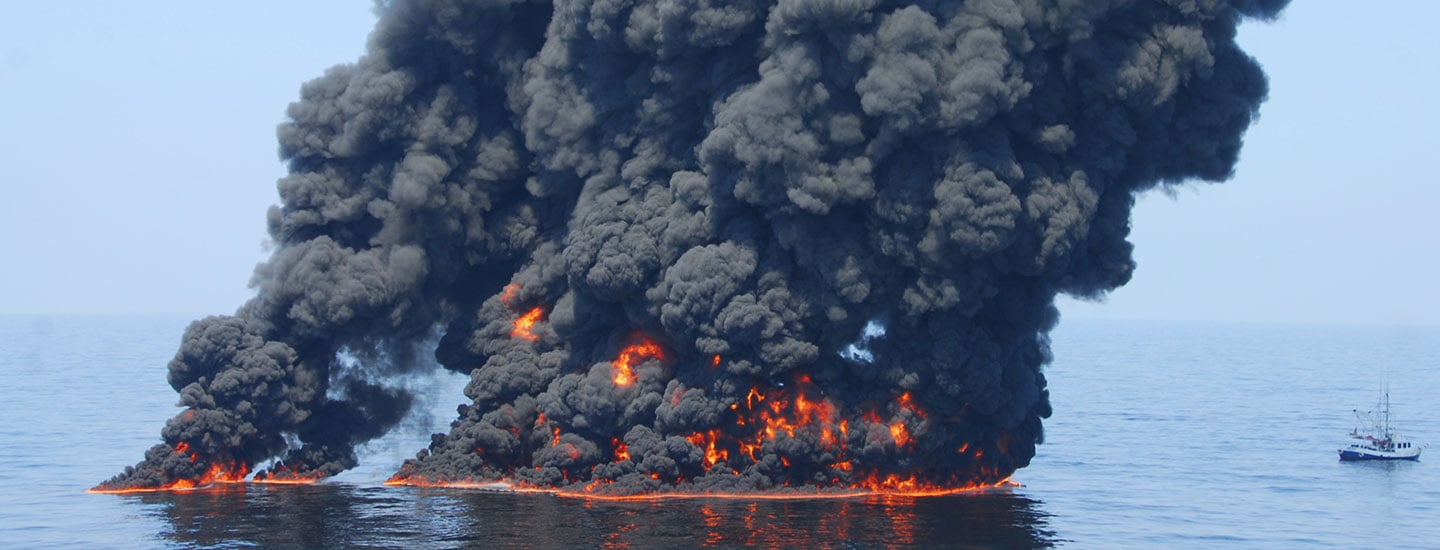
Description: Offshore oil and gas leasing is the federal process that opens areas of the Outer Continental Shelf for companies to explore and extract oil and gas beneath the ocean floor. Lease sales are planned in multi‑year national programs, and each lease can lock in drilling and production (and associated climate pollution and spill risk) for decades. Surfrider’s Drilling is Killing campaign focuses on stopping new leases and accelerating the phase‑out of existing offshore drilling to protect coasts, climate, and communities.
Benefits: Supporters of offshore drilling argue that continued leasing can provide short‑term revenue, fossil fuel supply, and some jobs, especially in Gulf states. However, multiple analyses show the U.S. can meet its long‑term energy needs by rapidly scaling clean energy, improving efficiency, and modernizing the grid, without opening new offshore areas to drilling. Surfrider emphasizes that coastal tourism, recreation, and healthy fisheries already generate far more sustainable jobs and economic value than offshore oil and gas.
Environmental & Ecological Concerns: Offshore drilling harms the ocean at every stage, from seismic exploration to daily production to catastrophic spills. Seismic surveys bombard the seafloor with intense noise, disturbing marine mammals and other species that rely on sound to feed, communicate, and navigate. Routine drilling and production release toxic chemicals, industrial waste, and air pollution, even when there is no high‑profile spill. Major spills like the 1969 Santa Barbara blowout and more recent California and Gulf events have killed wildlife, smothered beaches and wetlands, and left scars that can take decades or more to heal. Burning the oil and gas produced from offshore fields drives ocean warming, sea level rise, and acidification, the same climate impacts already reshaping our coasts.
Mitigation Pathways: Once a spill happens, there is no truly “clean” way to clean it up; booms, skimmers, chemical dispersants, and burning all have their own ecological costs. That is why Surfrider and many coastal states focus on prevention first: stopping new offshore lease sales, tightening oversight of existing platforms and pipelines, and requiring the strongest safety and inspection standards possible. In parallel, Surfrider calls for a managed phase‑out of offshore drilling that includes safe decommissioning and removal of aging platforms and infrastructure, robust restoration of damaged habitats, and just transition plans for workers and communities historically dependent on oil and gas. The most effective mitigation pathway is to replace offshore fossil fuels with rapid deployment of clean energy and efficiency, so we are no longer adding to the climate crisis that threatens the ocean itself.
Status: The current 2024-2029 federal Offshore Oil and Gas Leasing Program schedules only three potential new lease sales, all in the Gulf of Mexico—none off California. The program runs from July 1, 2024 through June 30, 2029, with one Gulf sale planned in 2025, one in 2027, and one in 2029, and BOEM retains discretion over whether and how each sale actually proceeds. California has had a moratorium on new state offshore oil and gas leases since after the 1969 Santa Barbara disaster, but multiple older state and federal leases still operate off the California coast. These aging platforms and pipelines continue to present spill risks and ongoing pollution while locking in climate emissions from every barrel produced.
Surfrider SLO is working with state and national partners to:
- Oppose any attempt to open new offshore areas to drilling off California.
- Push for safe, timely decommissioning and removal of aging offshore infrastructure.
- Support restoration of damaged beaches, wetlands, and marine habitats when spills or leaks occur.
- Advocate for a rapid, just transition to clean energy so we are not expanding the very fossil fuels driving coastal climate impacts.
Surfrider SLO's Position: STRONG OBJECTION. We oppose new offshore drilling and support phasing out existing offshore production as quickly, justly, and safely as possible.
Offshore drilling threatens beaches, surf spots, marine life, and coastal economies with routine pollution and the ever present risk of catastrophic spills, as history off California and across the U.S. has shown. It also locks in decades of new fossil fuel production at a time when climate science is clear that we must rapidly cut emissions to protect the ocean from warming, sea level rise, and acidification. New leases off California or elsewhere would undermine climate goals and put a $250‑billion coastal tourism and recreation economy at unnecessary risk.
Surfrider works to stop new offshore leasing by fighting national 5‑year drilling plans, urging Congress to pass legislation that prohibits new offshore drilling, and mobilizing coastal communities to submit comments, pass local resolutions, and join public actions. At the same time, we push agencies to tighten oversight of existing offshore operations, accelerate the safe decommissioning and removal of aging platforms and pipelines, and prioritize robust restoration where spills and chronic pollution have damaged coastal ecosystems.
Upcoming Events and Dates:
- 2024-2029 Federal 5‑Year Leasing Program in effect: The 2024–2029 OCS Oil and Gas Leasing Program governs offshore oil leasing during this period, with three potential lease sales in the Gulf of Mexico only (2025, 2027, 2029). Each sale has its own proposal, environmental review, and public comment process.
- Lease Sale‑specific actions (Gulf of Mexico): For each Gulf lease sale, BOEM will identify proposed areas, prepare environmental analyses, and decide whether and how to proceed. These decisions have national climate and ocean implications, even if no new leasing is proposed off California.
- Ongoing, California oversight and decommissioning: The California State Lands Commission continues to oversee remaining state offshore leases, evaluate decommissioning plans, and weigh options such as full removal vs. “rigs‑to‑reefs.” Public meetings and comment periods shape how aging infrastructure off our coast is handled.
- Ongoing, Surfrider “Drilling is Killing” actions: Surfrider’s national campaign tracks new federal leasing proposals, court cases, and policy changes that could expand offshore drilling. The campaign regularly issues alerts when major decisions or comment periods open for public input.
- Surfrider Foundation, Drilling is Killing campaign & Offshore Drilling Fact Sheet
- BOEM, 2024-2029 Outer Continental Shelf Oil and Gas Leasing Program
- California State Lands Commission, Offshore Oil & Gas
- Surfrider, California Oil Spill Environmental Restoration campaign
- Surfrider podcast, Drilling is Killing: Surfrider’s Fight Against Offshore Drilling
Micro Solar (SB 868) “Balcony Solar”
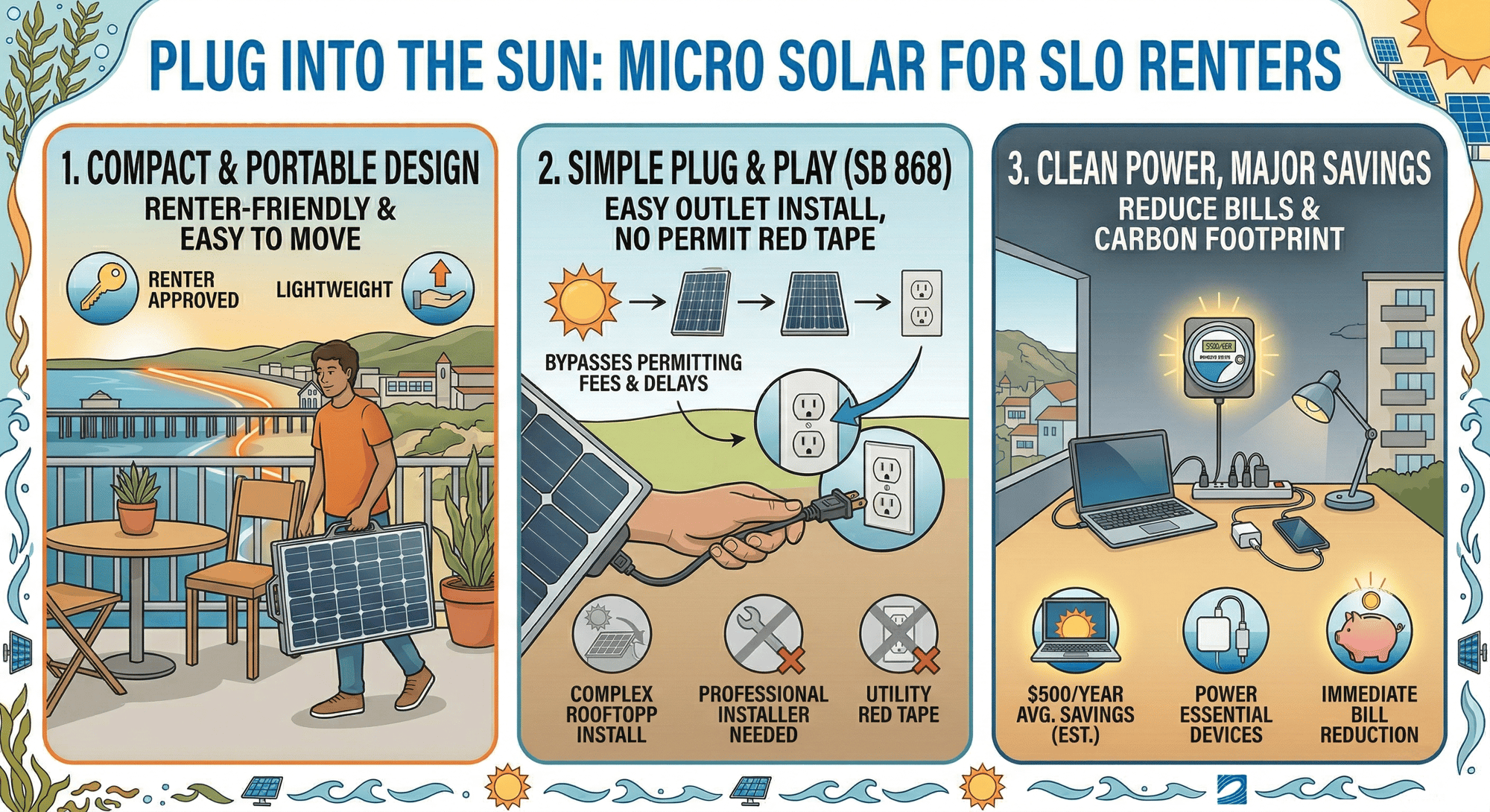
Description: Micro solar under SB 868 (the “Plug‑In Solar Act”) refers to small, portable solar systems (often called plug‑in or balcony solar) that connect directly into a standard outlet to power part of a home’s electricity use. Instead of a full rooftop installation with complex permits and interconnection agreements, these devices act more like an appliance: a panel, a micro‑inverter, and a cord that safely feeds power into a building’s electrical system under strict safety standards. SB 868 would set statewide rules for these systems and remove unnecessary utility red tape so more Californians can “plug into the sun” [CalMatters, SB 868: Electricity: portable solar generation devices].
Benefits: Plug‑in micro solar gives renters, apartment dwellers, and homeowners without good rooftop options a way to directly cut their bills and their emissions. Because SB 868 treats qualifying devices more like appliances than power plants, it lowers cost and complexity, making solar access more equitable across different housing types. On a larger scale, widespread adoption of these systems can reduce demand on the grid, especially on hot summer afternoons, and help displace fossil‑fuel generation with clean energy.
Environmental & Ecological Concerns: Minimal to Zero. Compared with large fossil fuel plants or even utility‑scale renewables, micro solar has a relatively small physical footprint and can be deployed on existing balconies, railings, and walls. The main environmental considerations involve ensuring safe installation, preventing electrical hazards, and managing end‑of‑life recycling of panels and inverters. SB 868 addresses these concerns by requiring certified equipment, automatic shut‑off during outages, and adherence to recognized safety standards [Ca.Senate.Gov, Legislative Package to Streamline Plug-in Solar, Heat Pump Permitting].
Status: As of early 2026, SB 868 is moving through the California Legislature as the “Plug and Play Solar Act,” with recent unanimous support in its first committee hearings. The bill would formally define “portable solar generation devices,” cap their size (for example, up to around 1,200 watts AC), and exempt them from traditional utility interconnection requirements while clarifying that utilities are not liable for customer misuse. If enacted, California would join a small but growing group of jurisdictions (like Germany and Utah) that have explicitly legalized plug‑in balcony solar.
What This Means Locally: For San Luis Obispo County, micro solar under SB 868 could open up clean energy access for people who rent, live in multifamily housing, or cannot install a full rooftop system. That means more neighbors can directly cut their bills and their climate impact without waiting for a large project to be built nearby. Surfrider SLO sees plug‑in solar as one more tool (alongside rooftop solar, community solar, storage, and offshore wind) for reducing reliance on fossil fuels that are already warming and acidifying the ocean.
Surfrider SLO's Position: Our chapter supports SB 868 and plug‑in micro solar because it helps democratize clean energy, letting more of our neighbors generate their own power, shrink their climate impact, and reduce reliance on fossil‑fuel electricity that is heating and acidifying the ocean. We back policies that make plug‑in solar safe, simple, and affordable, and we oppose utility or regulatory barriers that unnecessarily block people from using these small, low‑impact systems on the Central Coast.
Upcoming Events and Dates:
-
Spring 2026 - State Senate committee hearings: SB 868 is currently being heard in Senate committees (such as Energy, Utilities and Communications and Judiciary), where lawmakers are debating details like system size limits and safety standards.
-
Mid-2026 - Potential full Senate and Assembly votes: If SB 868 advances out of committee, it will go to floor votes in the California Senate and Assembly, with opportunities for public comment and advocacy along the way.
-
Post‑passage (if enacted) - Rulemaking and rollout: Should the bill become law, state agencies and local jurisdictions will update codes and guidance, and manufacturers and installers will begin scaling up plug‑in systems that meet the new standards.
Rooftop Solar
- Description: Customer-sited photovoltaic (PV) systems installed on existing residential rooftops. Unlike utility-scale solar, these "behind-the-meter" systems generate power at the point of consumption, reducing the need for long-distance transmission lines and protecting natural landscapes.
- Benefits: Rooftop and small-scale solar currently provide approximately 10% of California’s total energy demand (over 19 GW installed). However, the state’s technical potential is immense; utilizing all viable residential and commercial roof space could meet up to 74% of California’s annual electricity needs.
- The NEM 3.0 Shift: In April 2023, California transitioned to Net Energy Metering 3.0 (NEM 3.0), which fundamentally changed the economics of rooftop solar. Under this new policy, the value of excess energy "sold" back to the grid was slashed by roughly 75%, significantly extending the payback period for solar-only systems and making the addition of battery storage nearly essential for financial viability.
- Environmental & Ecological Concerns: Minimal. This is the "gold standard" for low-impact energy.
- Siting: Uses entirely pre-developed surfaces. By maximizing rooftop solar, we reduce the pressure to build industrial-scale "solar deserts" that can displace sensitive coastal and inland habitats.
- Surfrider’s Position: STRONG SUPPORT. We advocate for policy reforms that make rooftop solar affordable for all Californians. Protecting our coasts means fighting for an energy grid that prioritizes distributed resources over massive, land-intensive infrastructure projects.
Utility-Scale Solar Infrastructure
- Description: Massive arrays of photovoltaic panels located in the county's inland plains, such as the Carrizo Plain.
- Benefits: Delivers large-scale, zero-emission electricity to the state grid, contributing significantly to Senate Bill 100 targets.
- Status: Major facilities include Topaz (586 MW) and CA Valley Solar Ranch (250 MW).
- Environmental & Ecological Concerns:
- Habitat Fragmentation: Large-scale land conversion in sensitive inland plains and grasslands.
- Biodiversity: Disruption of local flora and fauna corridors.
- Mitigation Pathways:
- Prioritization: Shifting policy focus toward distributed, rooftop-mounted solar to reduce the need for large land-use projects.
- Siting: Utilizing low-impact areas and existing municipal footprints (e.g., airports, county centers).
Diablo Canyon Nuclear Power Plant (DCNPP)
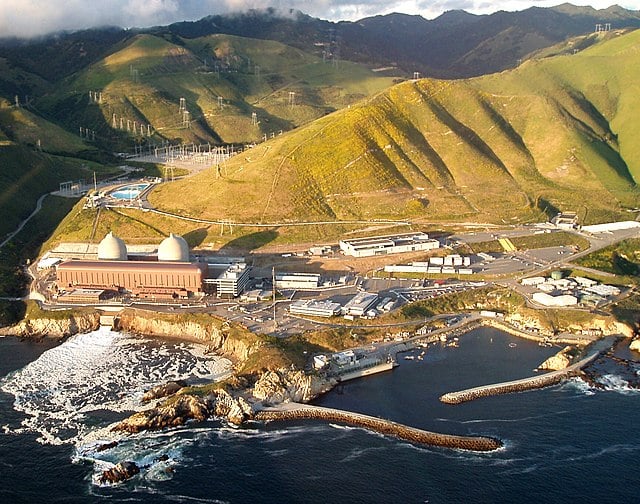
Description: Diablo Canyon Power Plant is California’s last remaining nuclear power facility, located on the coast in San Luis Obispo County. Built in the 1980s, its two reactors can generate about 2,200 megawatts of baseload electricity, roughly 8-9% of California’s total electricity and around 17% of the state’s zero‑carbon supply when both units run at full power. Diablo Canyon was originally slated to close in 2024-2025, but state and federal decisions have extended operations through 2030, with PG&E now pursuing a longer federal license extension even as California’s clean energy build‑out accelerates.
Status: In 2022, the California Legislature passed SB 846, allowing Diablo Canyon to operate until 2029 (Unit 1) and 2030 (Unit 2) instead of closing in 2025. In December 2023, the California Public Utilities Commission formally approved extending operations to 2030, citing short‑term grid reliability concerns; environmental and community groups strongly opposed the extension and flagged rising cost estimates. PG&E has since applied to the Nuclear Regulatory Commission for a 20‑year license extension that could, on paper, allow operations into the 2040s, even though California policy currently does not call for running Diablo Canyon that long. PG&E's own reports and analysis demonstrate that reactor vessel one is unsafe to operate due to manufacturing defects and embrittlement.
Energy Importance: California is rapidly adding solar, wind, and battery storage to the grid, and is already experiencing “overgeneration” periods when midday renewables exceed immediate demand and are curtailed. Studies from NREL and others show that reaching high levels of renewables (50-70% or more) requires large amounts of storage and flexible demand to soak up daytime excess and shift it into the evening, not more inflexible baseload plants. In that context, Diablo Canyon does not solve the core challenge; it sidesteps it. Every dollar and political compromise used to keep Diablo Canyon running is a dollar and political window that could instead be accelerating storage, distributed resources, and smarter grid operations that make full use of the clean energy we already have, and will keep building.
Environmental & Ecological Concerns: Beyond grid design, Diablo Canyon sits on a spectacular stretch of the Central Coast that has long been cut off by security fences, access restrictions, and thermal discharges. The plant’s once‑through cooling system has historically drawn in and discharged large volumes of seawater, affecting marine life, while the nuclear fuel cycle raises unresolved questions about long‑term waste storage and decommissioning impacts. Extending operations also prolongs the presence of high‑risk infrastructure on a seismically active coastline, with emergency planning burdens falling on local communities.
Mitigation Pathways:
-
- Restorative Mitigation: Permanent conservation of 12,000 acres of "Diablo Canyon Lands" and dedication of 25 miles of new public trails.
- Safety Mandates: Physical embrittlement testing required in 2025; comprehensive seismic reviews required for operations beyond 2030.
- Waste Management: Advocacy for swift transfer to dry cask storage and eventual relocation to a stable, consent-based repository.
What This Means Locally: For San Luis Obispo County, Diablo Canyon is both a local employer and a major industrial facility occupying thousands of acres of coastal land. Its continued operation through 2030 keeps that stretch of shoreline largely off‑limits and delays the full decommissioning, restoration, and coastal access improvements that community members have sought for decades. The scientific consensus, historically including PG&E, is that continued full operation of DCNPP currently damages local ecology and presents a significant nuclear threat to surrounding humans, ecology, environment, and real estate.
Surfrider SLO’s Position: Oppose current operation and management. Current operation and management of DCNPP causes unacceptable damage to coastal ecology and presents an overwhelming threat to our community. Surfrider SLO opposes prolonging Diablo Canyon’s role in California’s energy system and supports retiring the plant on the fastest safe timeline while rapidly scaling storage and demand‑side solutions. Our chapter’s core analysis is that California is already producing large amounts of renewable electricity (so much that solar and wind are regularly curtailed) and the real bottleneck is not a lack of clean generation, but a lack of storage and flexibility to use that clean power around the clock. Keeping Diablo Canyon online beyond the minimum needed transition period risks delaying investments in storage, transmission upgrades, and demand response that are essential for a resilient, renewable grid and a healthier ocean.
Upcoming Events and Dates:
-
Through 2030 - Extended operations period: Diablo Canyon’s two reactors are currently authorized to operate until 2029 (Unit 1) and 2030 (Unit 2) under California’s extension, with ongoing oversight by state and federal regulators during this time.
-
2026-2028 - Federal license extension review: The Nuclear Regulatory Commission (NRC) is reviewing PG&E’s application for a 20‑year license extension, which will involve technical review, draft documents, and opportunities for public comment and hearings.
-
2020s - Decommissioning and coastal access planning: State agencies, PG&E, and local stakeholders will continue planning for eventual decommissioning, site cleanup, and expanded public coastal access at Diablo Canyon, building on commitments already outlined in coastal access plans.
-
Late 2020s-2030s - Decommissioning decisions and implementation: As shutdown dates approach, regulators will finalize decommissioning plans, restoration requirements, and long‑term coastal access arrangements -decisions that will shape this coastline for generations.
References:
- Surfrider Foundation, Drilling is Killing campaign & Offshore Drilling Fact Sheet
- BOEM, 2024-2029 Outer Continental Shelf Oil and Gas Leasing Program
- California State Lands Commission, Offshore Oil & Gas
- Surfrider, California Oil Spill Environmental Restoration campaign
- Surfrider podcast, Drilling is Killing: Surfrider’s Fight Against Offshore Drilling
- CalMatters, Feds allow Diablo Canyon to stay open while seeking 20-year extension
- California Energy Commission (CEC), Diablo Canyon Power Plant Extension
- KVPR / NPR for Central California, California regulators vote to extend Diablo Canyon nuclear plant operations through 2030
- Engineering News-Record (ENR), California Extends Diablo Canyon Nuclear Plant Operations Until 2030 to Boost Grid Reliability
- NREL (National Renewable Energy Laboratory), Overgeneration from Solar Energy in California: A Field Guide to the Duck Chart
- Downey Brand LLP, California Public Utilities Commission Extends Diablo Canyon Nuclear Power Plant Operations Through 2030
- Surfrider Foundation, On Track: Plans to Increase Coastal Access at Diablo Canyon
- NREL (National Renewable Energy Laboratory), Overgeneration from Solar Energy in California: A Field Guide to the Duck Chart
- EUCI / Energy Central article repost, California Regulators Vote to Extend Diablo Canyon Nuclear Plant Operations Through 2030
- PG&E, Diablo Canyon Enters Full Extended Operations
- NREL, Energy Storage Requirements for Achieving 50% Penetration of Solar PV
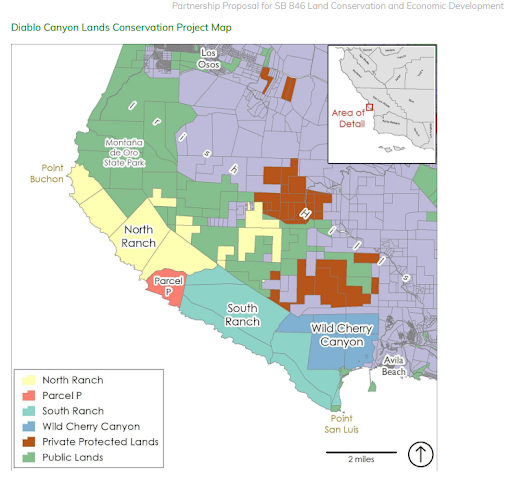
Surfrider SLO is engaged around Diablo Canyon in two connected ways: how the plant is decommissioned and what kind of coastal conservation future follows once it’s gone.
As Diablo Canyon moves toward retirement, Surfrider wants decommissioning to be done as safely and thoroughly as possible: minimizing impacts to marine life and water quality, carefully managing and removing hazardous materials and infrastructure, and avoiding long‑term pollution legacies on a seismically active coast. At the same time, we see decommissioning as a once‑in‑a‑generation chance to restore and reconnect this coastline, expanding public access, protecting sensitive habitats, and weaving this stretch of shore into a larger conservation landscape that includes trails, marine protection, and cultural recognition.
Surfrider is pushing for: robust environmental review of decommissioning plans; full or near‑full removal of obsolete coastal industrial structures where it benefits the ecosystem; strong restoration standards for onshore and nearshore habitats; and permanent, high‑quality public access as part of any post‑Diablo land use. Our goal is that when the plant is gone, what’s left is not another fenced‑off industrial scar, but a restored, publicly accessible coast that reflects the Central Coast’s ecological value and community priorities.
Phillips 66 Refinery Decommissioning
- Description: The dismantling and environmental cleanup of the legacy Phillips 66 petroleum refinery in Arroyo Grande.
- Benefits: Removes a major source of industrial pollution and carbon emissions, allowing for the ecological restoration of the site.
- Status: Demolition and remediation of the Phillips 66 facility (Arroyo Grande) is currently active.
- Environmental & Ecological Concerns:
- Legacy Pollution: Long-term subsurface contamination from decades of petroleum processing.
- Mitigation Pathways:
- Rigorous Remediation: Continuous monitoring of the demolition phase and site-neutralization efforts as outlined in the 2024 Final Environmental Impact Report (EIR).
Battery Energy Storage Systems (BESS)
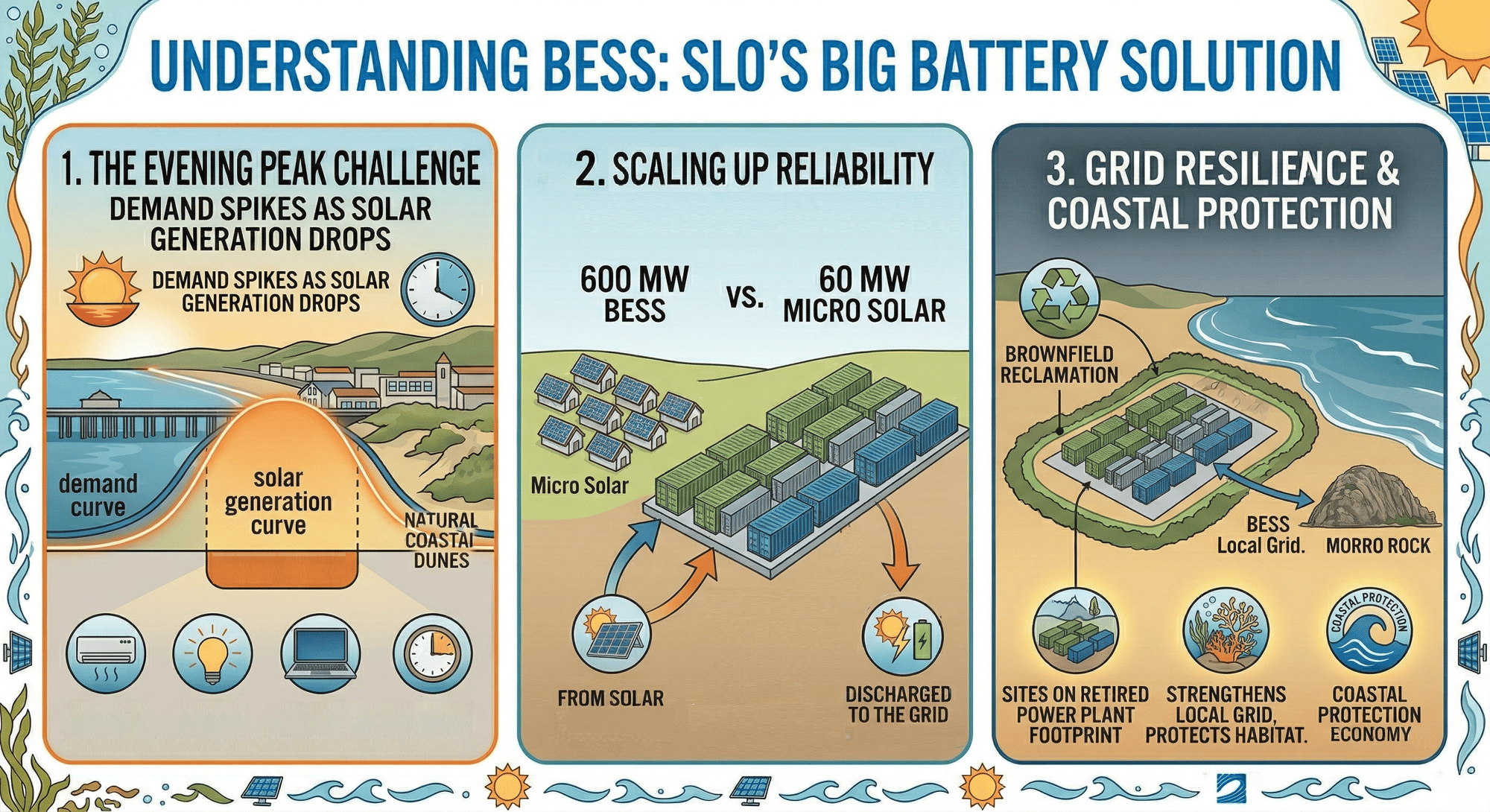
Description: Battery Energy Storage Systems (BESS) store surplus electricity (often from solar and wind) and release it later when demand is high, making the grid cleaner and more reliable. The proposed 600‑megawatt BESS at the retired Morro Bay Power Plant would have re‑used an already industrial site, cleaned up contamination, and taken advantage of existing high‑capacity transmission lines.
Status: As of March 2026, the proposed 600 MW Vistra battery energy storage system (BESS) at the retired Morro Bay Power Plant site is officially cancelled. Vistra has completely withdrawn its applications at both the local and state levels following years of community opposition and regulatory hurdles. This followed the passage of Measure A-24 in November 2024, which requires voter approval for any industrial development at the power plant site, effectively stripping the City Council of its unilateral permitting power. Morro Bay voters approved Measure A‑24, a land‑use measure designed to block the BESS at the retired power plant by freezing a “visitor‑serving” zoning designation on that parcel and nearby waterfront properties. Many supporters of the measure believed they were protecting the bay, schools, and tourism from a new industrial hazard, but in doing so they also rejected a project that would have removed the old plant and stacks, remediated the site, and added critical clean‑energy storage for the Central Coast.
What This Means Locally: By voting down this project, the community lost an opportunity to turn a contaminated, fenced‑off power plant into a cleaned‑up, partially restored site with more future land‑use options. Adding a large‑scale storage that would have helped integrate renewables, support decommissioning of older fossil plants, and improve resilience as sea levels rise and extreme events increase. Opposition grounded in misrepresentations of safety and risk left the Central Coast with the old industrial footprint, but without the clean‑energy and resilience benefits a carefully managed BESS could have provided.
Surfrider SLO’s View: Surfrider SLO sees well‑sited, well‑regulated battery storage as essential for replacing fossil fuels and integrating offshore wind and other renewables. However, it has to be done well and in conjunction with the communities they fit within. The Morro Bay community rejected the BESS, which is essential to recognize and value. The debate around the BESS was shaped by incomplete information and misrepresentations about fire risk, explosions, and tourism impacts. We take this as a lesson that exposes the importance of our work to fuel public discourse with factual, well organized, and substantiated information that will further empower communities in their decisions.
Fossil Fuels on the Coast
While we look toward a future of "generation," we must acknowledge the "era of extraction" that shaped the Central Coast. For over a century, our shores were the front lines of global oil shipping and production—often at a devastating cost to our beaches, dunes, and communities.
A Timeline of Impact
The Central Coast has served as both a global hub and a victim of fossil fuel reliance. Understanding our history explains why our chapter is so dedicated to a clean energy future.
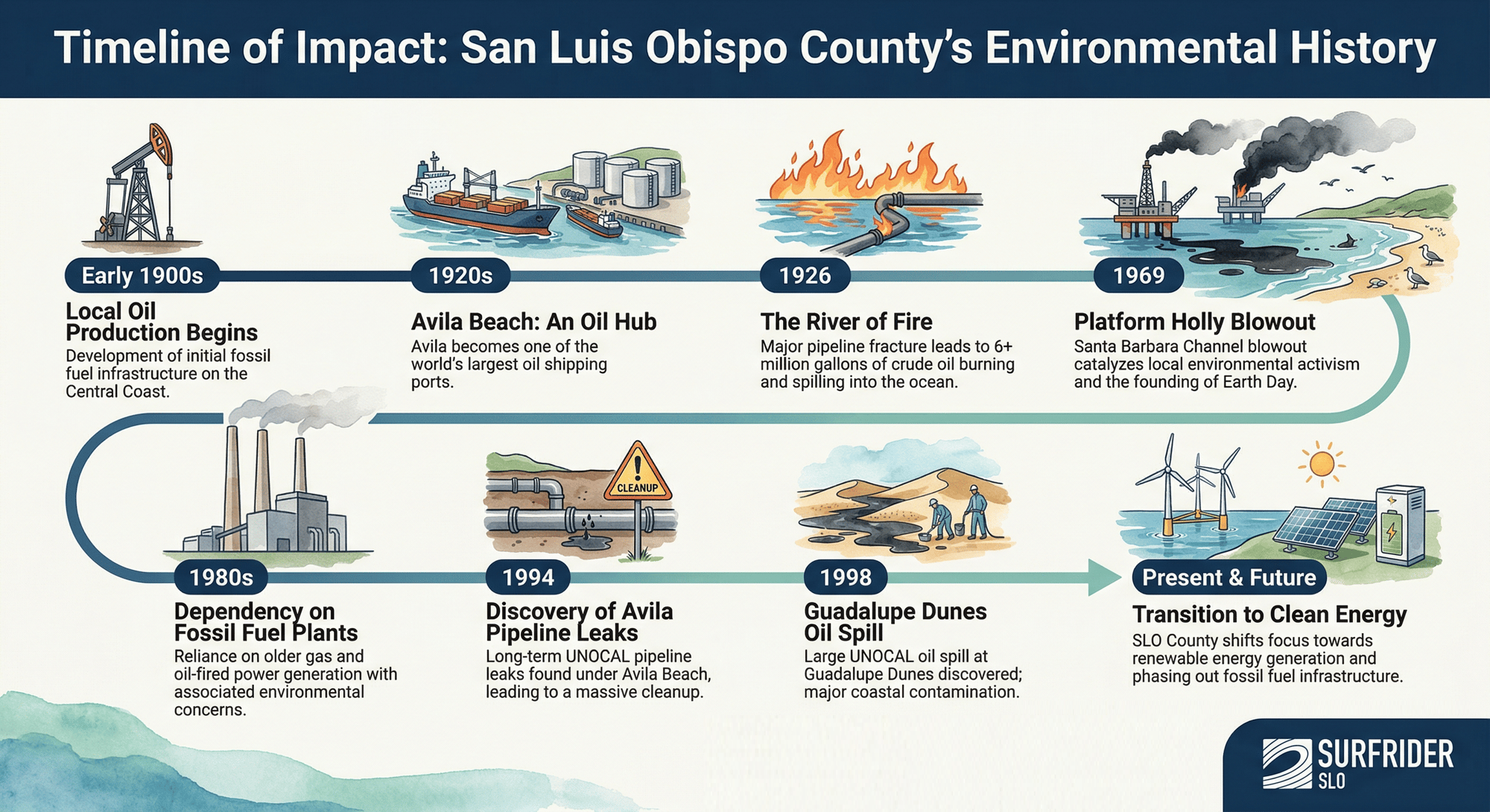
- 1920s: The Oil Capital – Avila Beach was once the largest capacity oil shipping port in the world.
- 1926: The River of Fire – A lightning strike at the Tank Farm Road facility ignited 6 million gallons of crude oil. It flowed down San Luis Obispo Creek into Avila Bay in a "river of fire". Remediation and clean-up efforts at this site continue to the present day.
- 1969: The Great Blowout – The Platform Holly spill in the Santa Barbara Channel released an estimated 100,000 barrels. Tar balls polluted the San Luis Obispo County coast, marking the largest spill in California waters at the time.
- 1980s: Guadalupe Dunes Disaster – Decades of chronic leaks released an estimated 12 million gallons of diluent into the Guadalupe-Nipomo Dunes and the Pacific—the largest oil spill in the history of the continental U.S..
- 1990s: Avila’s Underground Plume – A 400,000-gallon plume of petroleum was discovered beneath downtown Avila Beach. Cleaning it required demolishing much of the downtown area and excavating 200,000 tons of soil by 2000.
The Economic Shift: Billions vs. Cents
The true cost of fossil fuels isn't found at the pump; it’s found in the staggering price of cleaning up after them.
- The Price of Pollution: Historical remediation for local disasters like the Avila and Guadalupe spills has cost hundreds of millions of dollars. Modern spills, such as the 2015 Refugio incident, carry overall expenses (including legal claims) estimated near $257 million.
- The Power of Progress: In contrast, the 2025 Lazard LCOE+ report highlights that utility-scale solar and onshore wind remain the most cost-competitive forms of new-build energy generation, even without tax subsidies.
- A Smart Investment: While the cost of building new gas-fired generation has reached a 10-year high due to supply shortages and rising commodity prices, renewable energy continues to be the lowest-cost and quickest-to-deploy resource available for our community.
Status Update: The Price Canyon Footprint
Our work isn't just about historical spills; it's about the active extraction happening in our backyard at the Arroyo Grande Oil Field in Price Canyon.
- Active vs. Idle: As of early 2026, the Arroyo Grande field remains one of the most carbon-polluting oilfields in the state. While over 800 wells have been drilled in the county since 1977, many older wells remain "idle" or abandoned, dating back to the early 1900s.
- Ongoing Expansion: Despite the 2015 permit expiration, regulators have authorized dozens of new wells under "replacement" labels, with additional permits for new drilling in California already being approved at record rates in January 2026.
- Restoration Efforts: There is a growing movement to permanently plug and abandon idle wells. For example, a 2026 plan was finalized to remove and restore the habitat of 11 idle wells in the nearby Carrizo Plain National Monument.
A Community That Fights Back
Our history is defined not just by spills, but by organized resistance. SLO County has been a pioneer in coastal protection policy:
- Measure A (1986): A landmark citizen-led initiative that requires voter approval for any onshore support facilities for offshore oil and gas. It remains the law of the County today.
- The Oil Train Victory (2017): Surfrider SLO, alongside an environmental coalition, successfully defeated the Phillips 66 "Oil Train" project. This victory prevented mile-long tankers of Alberta tar sands from rolling through our "blast zone" near homes, schools, and businesses.
"This is a proud day for the thousands of Californians who stood up and said 'No' to its proposed crude oil train." - Charles Varni, Surfrider Foundation Slo Chair